

Emirates Scholar Center and Ras Al Khaimah Department of Knowledge Strengthen the Knowledge Economy through Scientific Research
Sharjah – January 2026
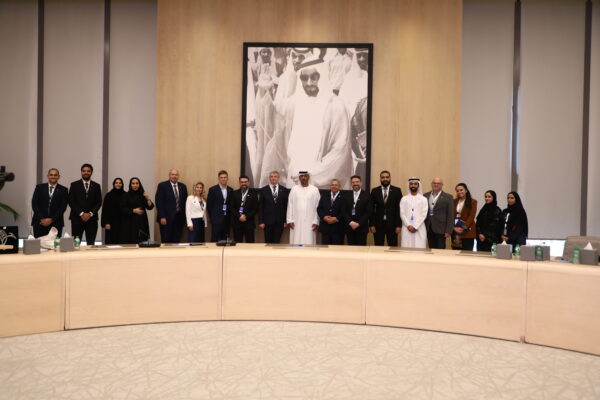
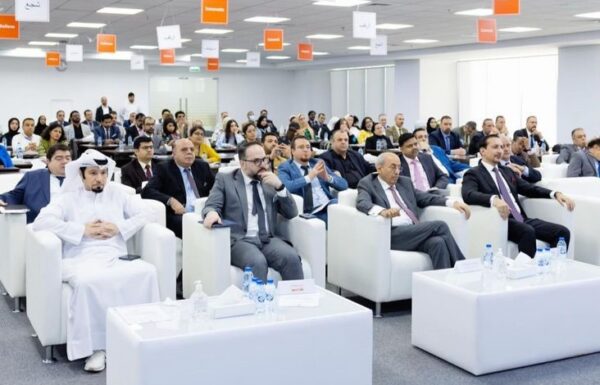
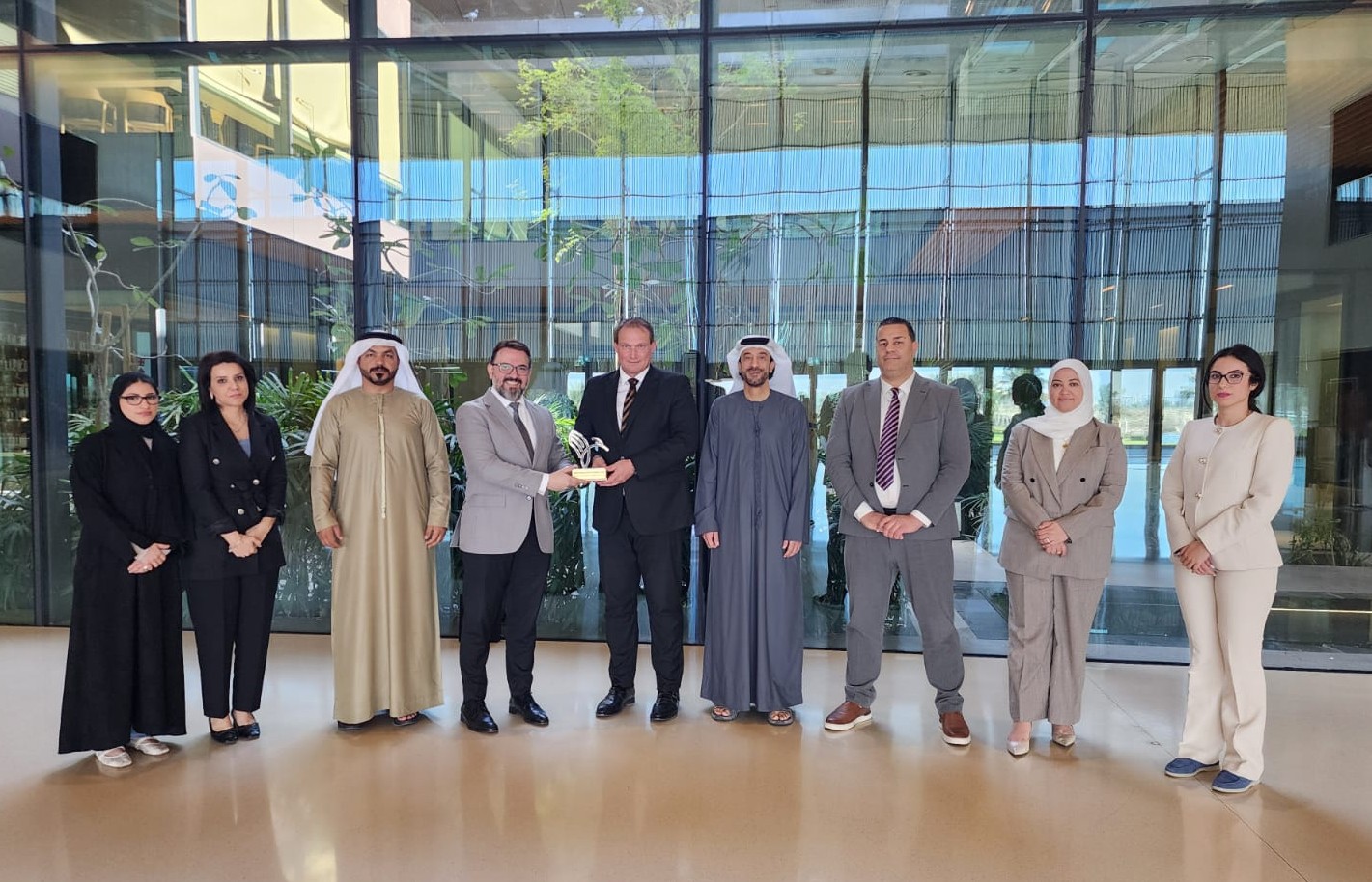
Emirates Scholar Centre for Research and Studies received a delegation from the Ras Al Khaimah Department of Knowledge, where a meeting was held to exchange perspectives on the positioning of scientific research as a strategic lever for the education sector and its role in maximizing the knowledge impact of initiatives.
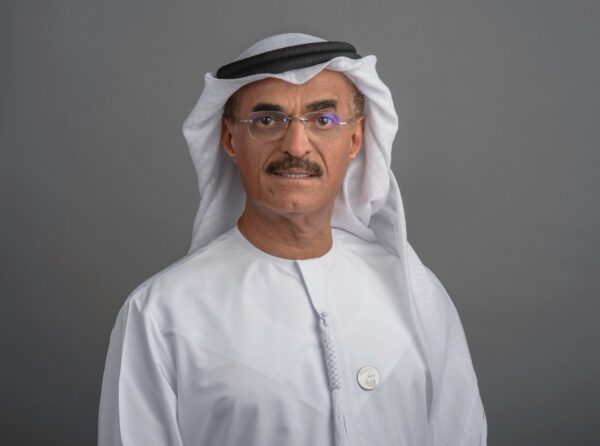
The meeting was attended by Dr. Fawaz Habbal, Director-General and Board of Trustees Member, and Dr. Rashed Karkai️n, Chief Executive Officer and Director General of the Institute for Sustainable Development Research and Training and Board of Trustees Member of Emirates Scholar, along with members of the Centre’s team. Representing the Ras Al Khaimah Department of Knowledge were Dr. Steven Reissig, Executive Director of the Department of Knowledge, alongside Zahraa Mahmoud, Director of Operations and Engagement, Faten Najwa, Senior Manager of the Policies and Strategies Office, and Walid Obaidat, Manager of Inclusion.
During the meeting, Dr Fawaz Habbal emphasized that contemporary education is no longer merely a means of transferring knowledge, but has become a catalyst for producing it. He noted that scientific research is the backbone of any educational system seeking sustainability and effectiveness. He stated:
“Investment in education is an investment in the structure of societal awareness, and its profound impact is only realized when it is grounded in scientific research as a tool to understand reality, anticipate the future, and connect theoretical knowledge with real societal challenges”.
The meeting addressed key practical points to enhance the impact of scientific research in education, with a focus on transferring practical expertise through the application of AI technologies to support People of Determination and gifted students, via specialized workshops and influential speakers. Emphasis was also placed on strengthening national identity by integrating Emirati heritage, including the Arabic language, museums, and traditional crafts, into school curricula as a standalone component, and by transforming educational practices into field-based plans that include visits to traditional farms and hands-on heritage activities such as rowing and pearl diving.
The meeting also highlighted the importance of developing educators and students through the launch of training programs for school career counselors, as well as student leadership development programs to ensure the continuity of innovation and community engagement. It was further agreed to integrate People of Determination into events as a living model of inclusion, and to plan field visits to the Innovation Lab in Abu Dhabi to explore factories operated by People of Determination as a practical example of applied knowledge.
The meeting concluded with an emphasis on the importance of sustaining institutional dialogue and strengthening knowledge-based communication between research and educational entities, thereby reinforcing the position of the Emirate of Ras Al Khaimah and the United Arab Emirates as active hubs of knowledge production and the shaping of a technologically advanced, sustainable future of education.