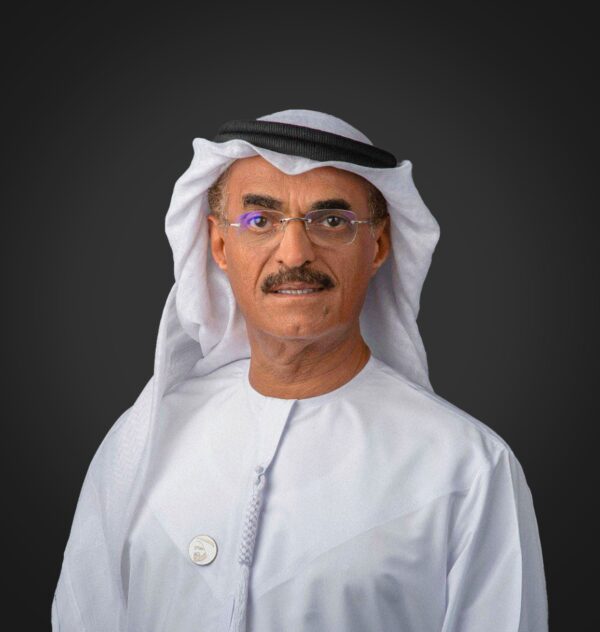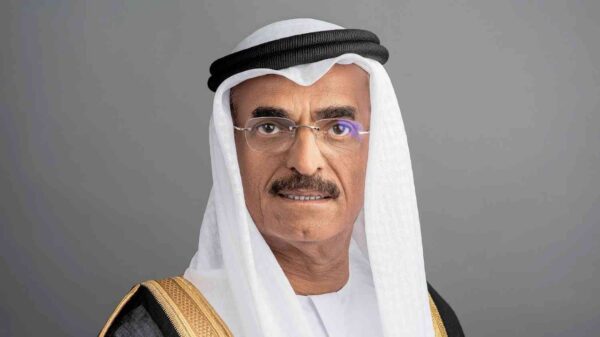


Fragile Blocs and «OPEC» in an Era of Major Transformations – An Article by H.E. Dr. Abdulla Belhaif Al Nuaimi
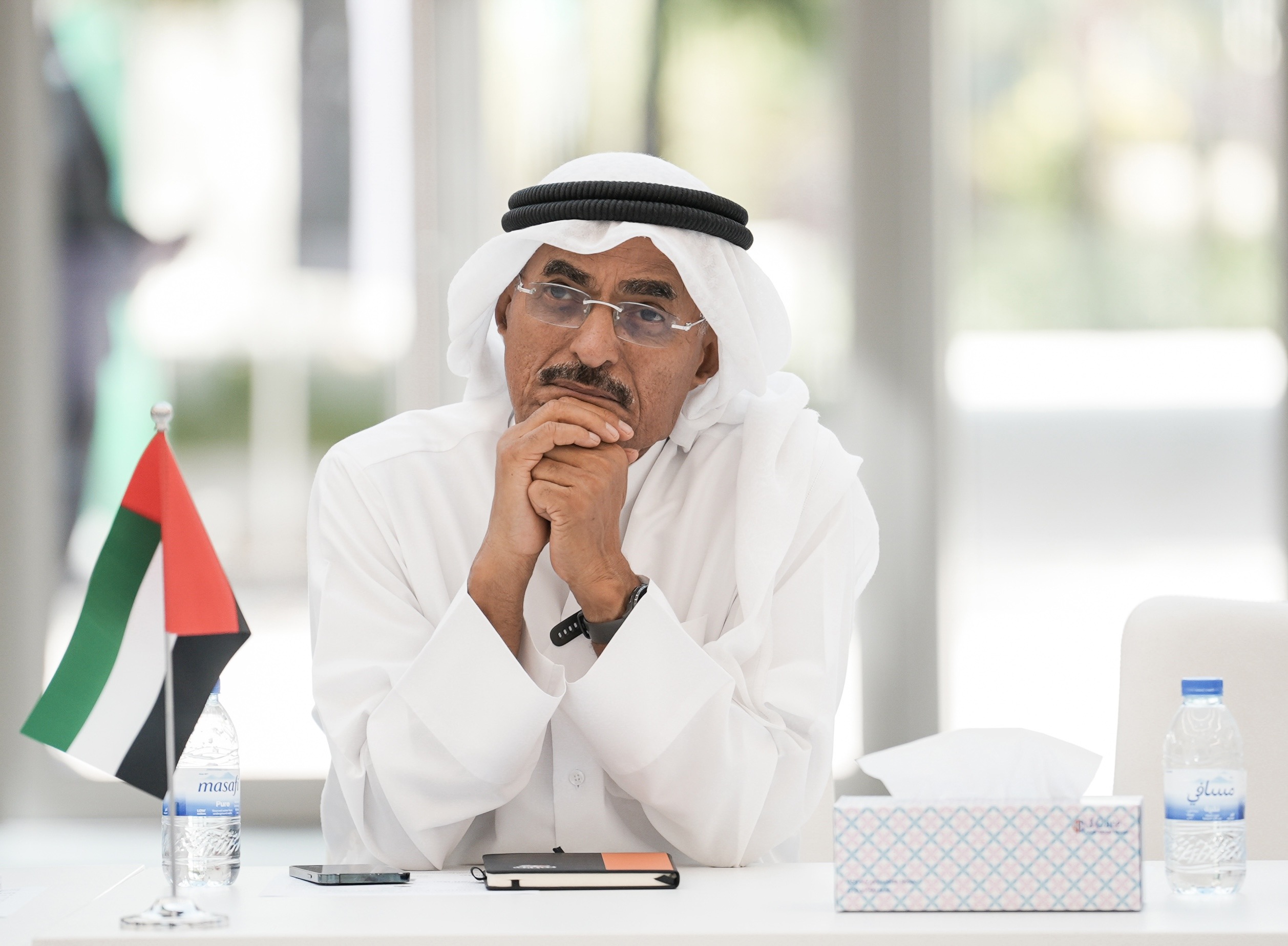
Since the mid-20th century, economic and political blocs have emerged as tools through which countries seek to protect their interests and enhance their influence in a rapidly changing world. However, history shows that these blocs are not equal in their ability to endure; some have succeeded in building strong institutions capable of overcoming crises, while others have remained fragile, affected by internal disagreements and relying more on temporary understandings than on solid institutional foundations. In this context, «OPEC» and «OPEC+» appear as a clear example of an important strategic bloc that nevertheless reveals its fragility whenever the geopolitical or economic landscape shifts.
«OPEC» was established in 1960 at a time when major oil companies controlled prices and production, leaving producing countries without a strong voice. The organization came to give these countries collective influence. Over the decades, «OPEC» became a central player in global energy markets, but it continued to rely on voluntary compliance not supported by enforcement mechanisms or independent oversight. With the creation of «OPEC+», complexities increased, as non-OPEC countries entered the decision-making circle, making consensus harder and collective action slower.
Recent data highlights the scale of challenges facing the bloc. «OPEC+» produces nearly half of the world’s oil, meaning any internal disagreement can disrupt markets. In 2025, the alliance implemented production cuts of around 3.24 million barrels per day—equivalent to 3% of global demand—in a move that reflects reliance on managing the market through supply reduction rather than adopting a unified production strategy. Countries such as the UAE, whose production capacity approaches 5 million barrels per day, faced constraints limiting their quota to about 3.2 million barrels, illustrating the tension between national capacities and collective restrictions. Additional voluntary cuts by eight countries in 2023—amounting to 1.65 million barrels per day—also exposed the fragility of collective discipline.
This fragility deepens due to wide disparities in investment levels across the energy sector among member states. Some countries have invested heavily over the past decade in field development, capacity expansion, hydrogen systems, and renewable energy, while others suffer from declining infrastructure and limited ability to keep up with market demands. This disparity affects not only production capacity but also strategic visions for the future of energy. While some countries see the transition to a green economy as a strategic opportunity, others fear it could diminish their role in global markets. As the world enters a phase requiring massive investments in low-carbon technologies, these differences become an additional constraint on the bloc’s ability to make unified decisions or develop a shared future vision.
Data from the UAE Ministry of Energy and Abu Dhabi Department of Energy, along with estimates from the International Energy Agency and the U.S. Energy Information Administration, reveal the scale of investment disparities within the organization. The UAE invested more than $82 billion over the past decade, while investments by Iraq, Kuwait, and Algeria combined ranged between $80 and $105 billion. Meanwhile, some smaller members did not exceed investments of $1–3 billion. This disparity—reflected in reports by the International Energy Agency and OPEC’s annual statistical bulletin—highlights differences in economic capacity and national priorities, and the resulting challenges in coordination within a bloc facing a rapidly transforming world.
In light of these structural differences—in investment capacity, governance expectations, and divergent visions for the future of energy—the exit of a country like the UAE from OPEC becomes understandable in its strategic context rather than surprising. For these reasons, the world would not be surprised if other countries within the organization reassess their positions or even take similar steps in search of more flexible frameworks aligned with their long-term national strategies.
A comparison with a more solid bloc such as the EU highlights the institutional difference. The EU possesses legislative, executive, and judicial institutions, enforcement mechanisms, and unified policies across many sectors, enabling it to absorb shocks—as seen during financial crises, the COVID-19 pandemic, and recent energy disruptions. In contrast, «OPEC» and «OPEC+» rely on periodic meetings where disagreements are managed rather than policies formulated, and on temporary understandings that shift with changing circumstances.
However, the greatest challenge facing fragile blocs today does not come only from within. The world is entering a new phase driven by climate transformation and the green economy. Major economies are moving toward net-zero targets, investments in renewable energy, hydrogen, and low-emission technologies are accelerating, and global energy demand is changing in both volume and structure. This forces traditional oil blocs to reconsider their role and relevance.
Here arises a fundamental question: Can a traditional oil organization, in its current form, transform into a future-oriented energy platform capable of keeping pace with such rapid change?
The answer is not simple, nor impossible. It requires reimagining the nature of the bloc itself: shifting from managing oil quotas to managing a diversified energy system; from voluntary coordination to institutional governance; and from crisis management to future foresight. Producing countries—especially those in the Gulf—possess the expertise, infrastructure, and investment capacity to lead this transformation, but success depends on the existence of a flexible bloc capable of making long-term strategic decisions.Fragile blocs do not necessarily collapse, but they lose influence when the world around them changes. Flexible blocs, however, reinvent themselves before reality forces them to do so. In an era of major transformations, the real question is not whether «OPEC» and «OPEC+» will continue, but whether they can evolve at the speed the world now demands.