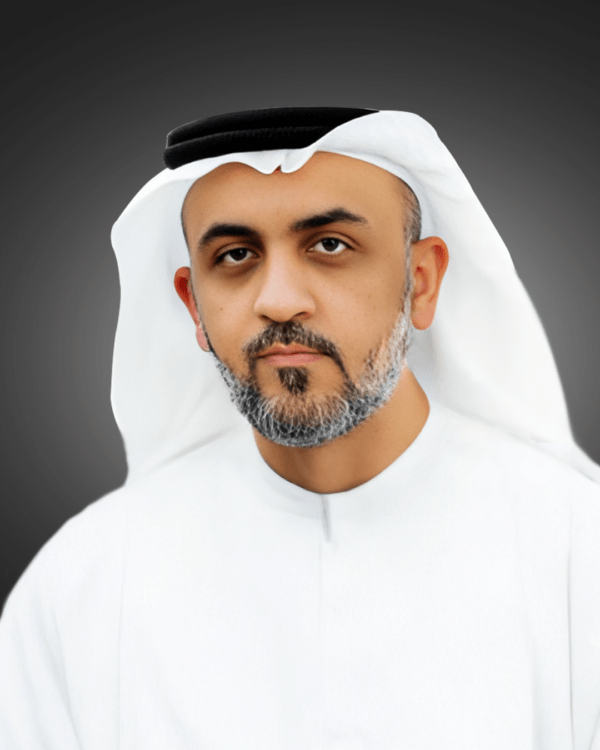


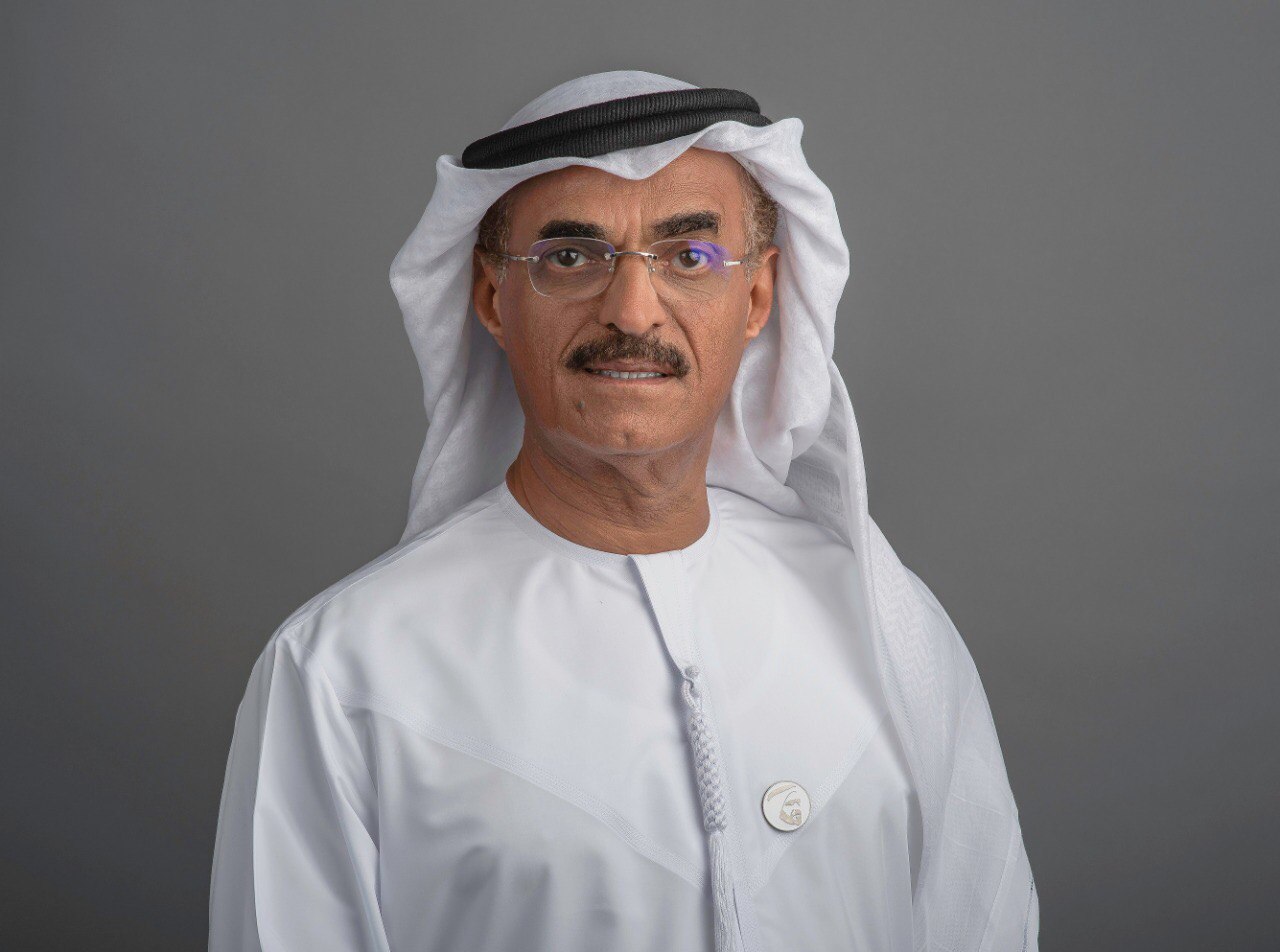
The Arab Intellectual’s Vision for the Future of Gulf–Iran Relations – An article by H.E. Dr. Abdulla Belhaif Al Nuaimi
In moments of profound transformation—when power maps shift and regional balances are redrawn—the Arab intellectual finds themselves facing a heightened responsibility: to read the landscape with depth, to rise above the noise of the moment, and to search for the roots of relationships rather than their branches, and for the trajectories of the future before they fully take shape. The Gulf–Iran relationship, particularly in the aftermath of the war that has shaken the region, stands as one of the most critical issues requiring a calm, measured analysis—one that neither succumbs to emotion nor settles for superficial interpretations.
The relationship between the Gulf and Iran is neither incidental nor born of a fleeting political moment. It is a relationship shaped by geography before politics, defined by interests before slogans, and burdened by tensions long before efforts at de-escalation sought to ease them. Thus, any forward-looking perspective must be grounded in a precise understanding of its past, along with a clear awareness of the new realities produced by the war.
For decades, the Gulf and Iran have existed in a state of uneasy equilibrium. Geography imposed proximity, but politics generated rivalry. Across different historical phases, the relationship has oscillated between cautious openness and explicit tension.
The region has witnessed moments of rapprochement, yet none sufficient to build lasting trust. It has also seen periods of confrontation, though not to the point of complete rupture. Between these dynamics, the Gulf has consistently viewed Iran as an unavoidable regional power, while Iran has regarded the Gulf as a sphere of influence it cannot relinquish.
Nevertheless, the years preceding the war carried serious attempts to reduce tensions. Gulf states sought to open channels of dialogue with Tehran, recognizing that regional stability cannot be achieved without mutual understanding. Yet the recent war exposed the fragility of that de-escalation, revealing that dialogue—however necessary—is not sufficient on its own to guarantee security.
No serious reading of Gulf–Iran relations can overlook the issue of the three Emirati islands: Greater Tunb, Lesser Tunb, and Abu Musa. This is not merely a geographical detail, but a matter of sovereignty deeply embedded in the national consciousness of the UAE and the Gulf as a whole.
On November 30, 1971—just two days before the declaration of the United Arab Emirates—Iran imposed control over the three islands. Since then, the UAE has remained steadfast in its approach: upholding its historical and legal rights, calling for a peaceful resolution through negotiations or international arbitration, and rejecting the imposition of faits accomplis by force.
These islands hold immense strategic importance, granting whoever controls them the ability to monitor maritime traffic in the Strait of Hormuz, through which nearly one-third of the world’s seaborne oil trade passes.
This issue, with all its symbolic and sovereign implications, will remain a central factor in any future assessment of relations between the two sides.
According to data published in Gulf and international reports, Gulf states have experienced 4,391 attacks since February 28, 2026. The UAE accounted for 2,156 of these—nearly half of the recorded incidents. These attacks included ballistic missiles, cruise missiles, and drones, targeting vital ports, oil facilities, civilian airports, and residential areas.
These figures are not presented for condemnation, but to understand the scale of the challenge faced by Gulf states, and to recognize that the post-war phase cannot be built on outdated assumptions.
When the Arab intellectual reflects on the future of Gulf–Iran relations, they do so not from a position of hostility or justification, but from one of understanding. This understanding entails recognizing that the region is entering a phase of reconfiguration, and that the war was not the end of the road, but the beginning of a new chapter.
Gulf states are expected to adopt a more pragmatic policy—yet one without illusions. There will be no complete rupture with Iran, as such a break is neither realistic nor sustainable; nor will there be complete trust, as trust requires years of consistent and balanced conduct.
The relationship will likely be governed by two principles: deterrence when necessary, and engagement when beneficial. The war has prompted Gulf states to reassess their security architecture, and we may see enhanced air and missile defense systems, diversification of arms sources, deeper Gulf defense cooperation, and perhaps the development of a joint deterrence framework that goes beyond traditional coordination.
Iran, too, will emerge from the war facing a new reality. Its economic capabilities have declined, and its internal structures have come under significant pressure. Yet it still retains tools of regional influence. This suggests that the Gulf will be dealing with a different Iran—one not weak enough to fundamentally alter its behavior, yet not strong enough to impose its vision.
The role of the Arab intellectual today is not to applaud one side or attack another, but to offer a vision that contributes to a more stable future. This vision rests on three principles: that regional security cannot be built through rupture but through balance; that dialogue does not replace deterrence, and deterrence does not replace dialogue; and that the Gulf today possesses sufficient strength to act as a partner—not a subordinate—in shaping the region’s future.
The post-war Gulf–Iran relationship is not a page being turned, but a new chapter being written. The Arab intellectual, in contemplating this chapter, recognizes that the region stands before an opportunity to redefine the equation of security and stability. The Gulf’s wisdom—having spared the region many wars—will remain the compass guiding the next phase.
Geography does not change, but policies can. Tension is not destiny, but a consequence. And the future, however complex it may seem, can become more stable if will, vision, and capability come together.