

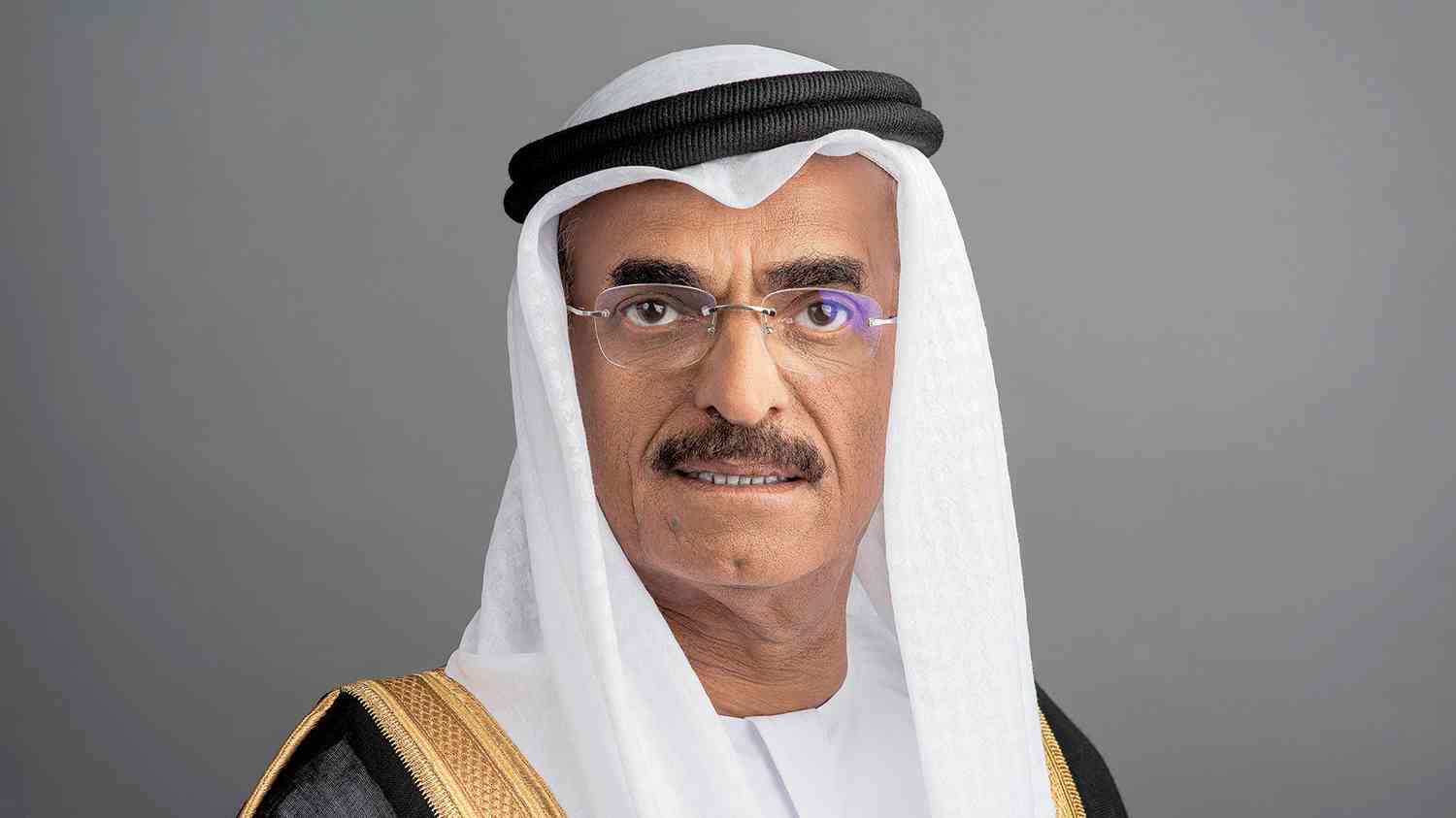
United Arab Emirates: Three Phases of National Building – Article by H.E. Dr. Abdulla belhaif Al Nuaimi.
Since its founding, the United Arab Emirates has followed a unique path in shaping its people and its places. Community development was never merely a government policy; it has been, and continues to be, an integrated national project, renewed across generations, rooted in collective consciousness, and guided by exceptional leadership.
Through three crucial stages, the country’s development, from its creation to its emergence as a global leader, can be understood, supported by statistics that reflect the magnitude of its achievements and by reflections that highlight the human dimension of its progress. It is also an exceptional federal experiment, as the emirate richest in oil sought to build a unified national experience unlike any of its regional peers.
Foundational Phase (1971-1980):
The Union and the Construction of Identity
On December 2, 1971, the Union was formed by seven emirates under the leadership of the late Sheikh Zayed bin Sultan Al Nahyan and his fellow rulers. This moment marked the beginning of a State built around the human being as its central priority and foundational pillar. The Union was not merely a political agreement; it was a promise of a shared future and a stepping stone toward a modern State grounded in justice, solidarity, and belonging.
During this period, the country began establishing its first essential public services, despite limited resources at the time:
• Public schools: Increased from fewer than 20 schools before the federation to more than 140 schools by 1980, distributed across the emirates.
• Hospitals and health centers: 15 hospitals and 43 health centers were established to provide primary care to citizens.
• Road networks: More than 1,200 kilometers of paved roads were constructed, connecting major cities and remote areas.
• Government agencies: Federal ministries of education, health, public works, and information were created, forming the core of a modern administration.
• Human resources: By 1976, the country had only about 300 physicians and roughly 70 faculty members when the United Arab Emirates University was inaugurated.
The Union represented not only a political milestone but also a shared promise for every citizen and resident. This phase was marked by the construction of national identity, the consolidation of citizenship values, and an openness to the world without compromising cultural and religious heritage.
Development Phase (1980-2000):
Infrastructure and Institutions
As national resources expanded, the State began building an integrated system of infrastructure and governmental, educational, and health institutions. Cities grew, ambitions rose, and a diversified economy began to take shape, driven by a strategic vision Focused on empowering people and enhancing institutional efficiency.
• Schools: Surpassed 1,000 schools by 2000, with the introduction of modern curricula and educational technologies.
• Universities: National institutions such as the United Arab Emirates University (1976), the University of Sharjah (1997), and Zayed University (1998) were established as centers of science and research.
• Hospitals: The number of hospitals increased to 65, along with 150 health centers, introducing advanced medical specialties.
• Airports and ports: Abu Dhabi and Dubai expanded their facilities, and Jebel Ali Port was developed into one of the largest ports in the world.
• Highways: The road network exceeded 7,000 kilometers, connecting remote regions to urban centers.
• Specialized agencies: Institutions such as the Dubai Electricity and Water Authority (DEWA), the Environment Agency, Abu Dhabi (EAD), and the Transport Authority (TTA) were created to promote sustainability and public services.
This phase witnessed qualitative changes in the concept of public service, as the State moved from providing basic needs to building highly efficient institutions capable of keeping pace with regional and global developments. The number of physicians doubled to 5,000, engineers reached 10,000, and more than 2,000 professors served in various universities.
Transformation Phase (2000-present): Innovation and Global Leadership
The United Arab Emirates is currently undergoing a transformative phase, becoming a global model in innovation, sustainability, and inclusive development.
• Smart schools: More than 90% of public schools have transitioned to smart education systems based on artificial intelligence and interactive learning.
• Digital hospitals: Tele hospital systems have been adopted in more than 70 health units, integrated with national care platforms.